
Last updated September 10, 2026
Full 25-point door and opener safety check with every visit - springs, cables, rollers, tracks, and your LiftMaster or Chamberlain opener included
You get a price before we start. It does not change when the truck arrives.
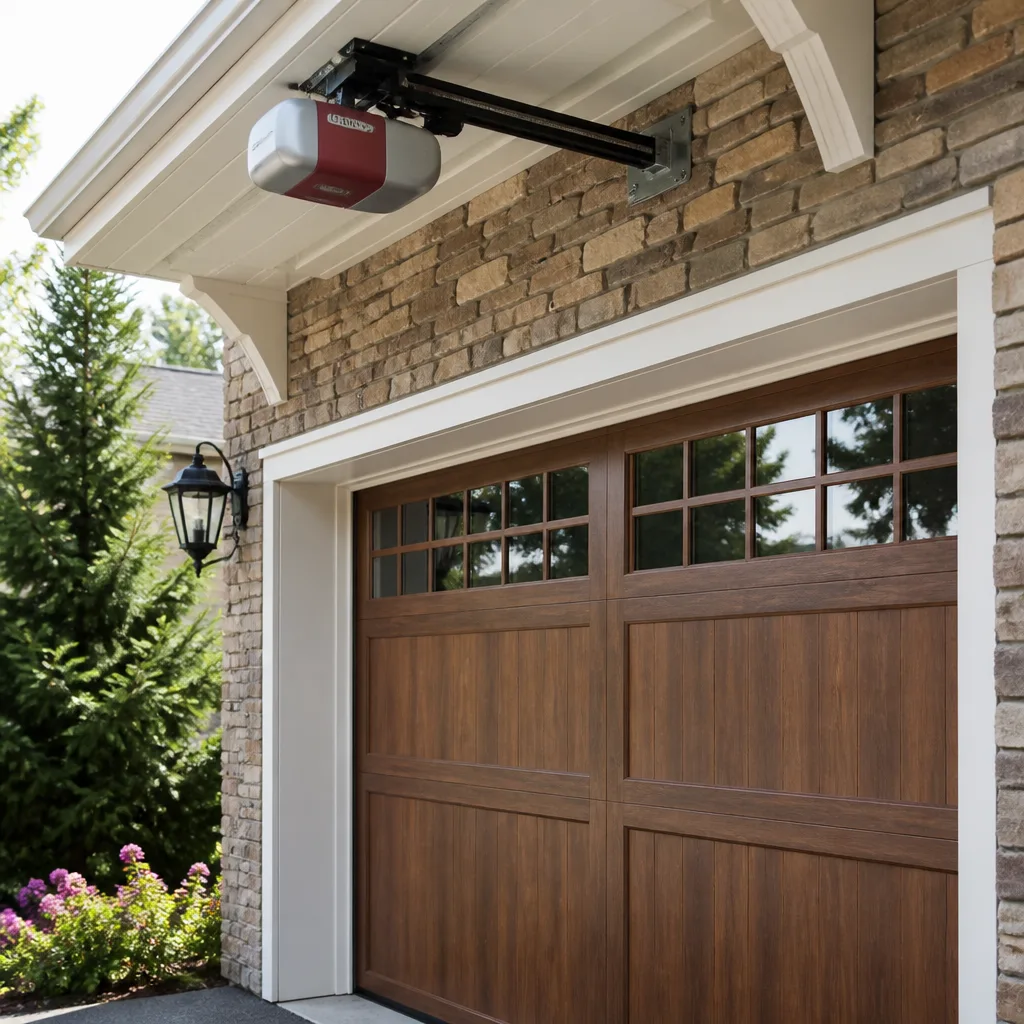
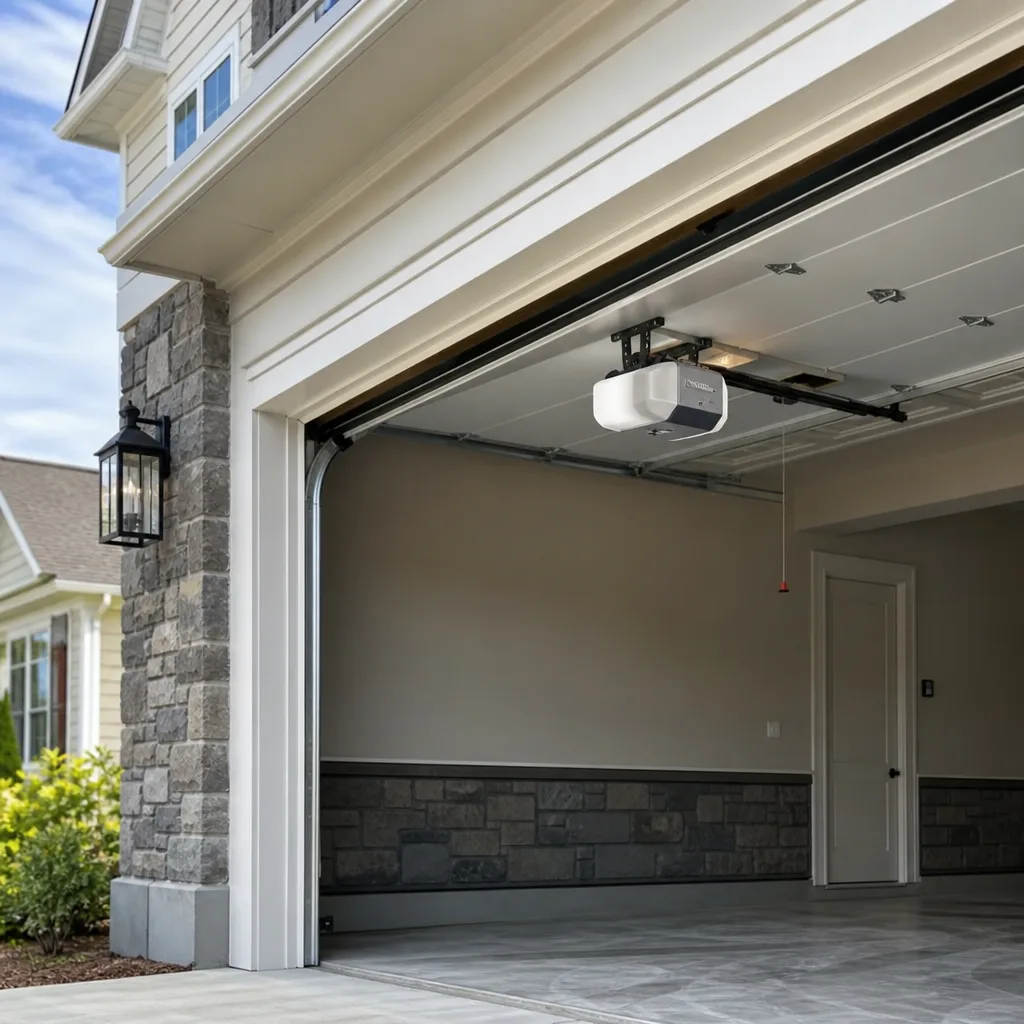
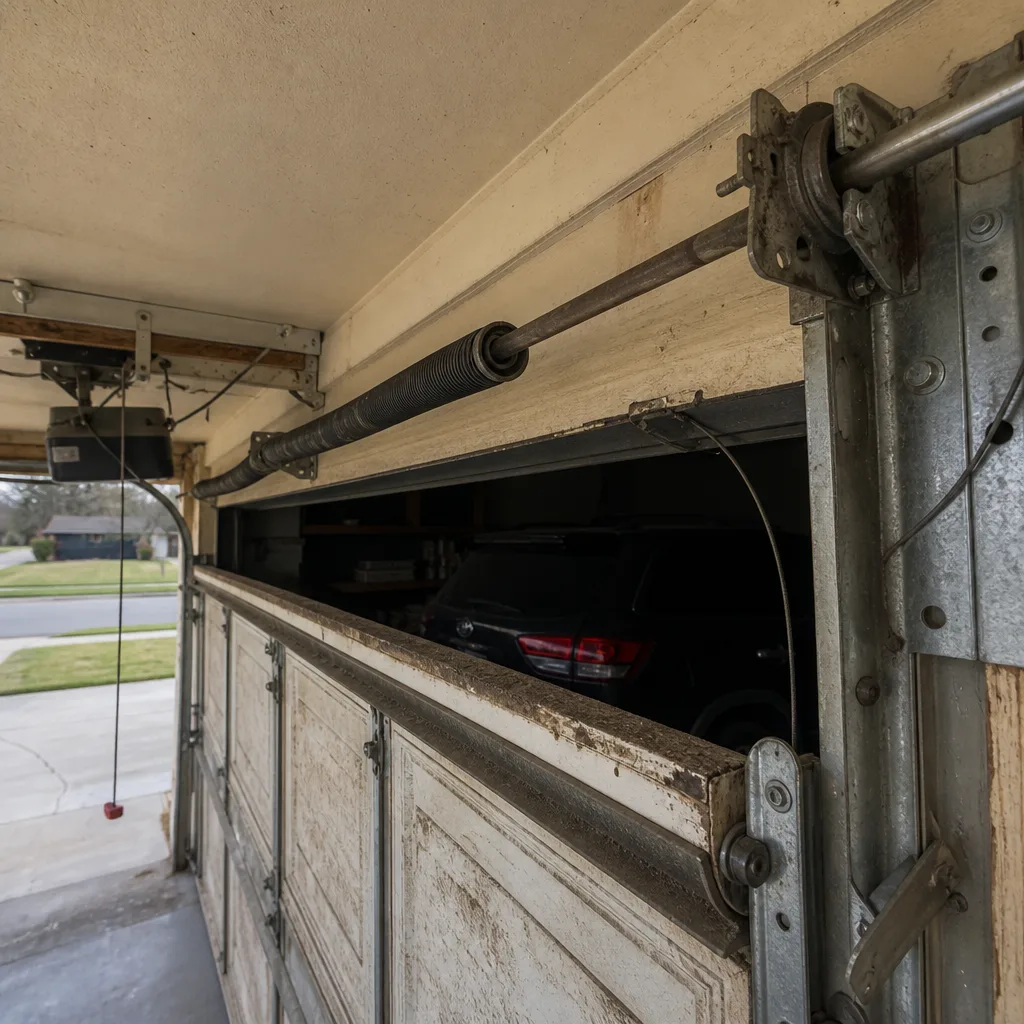 Before
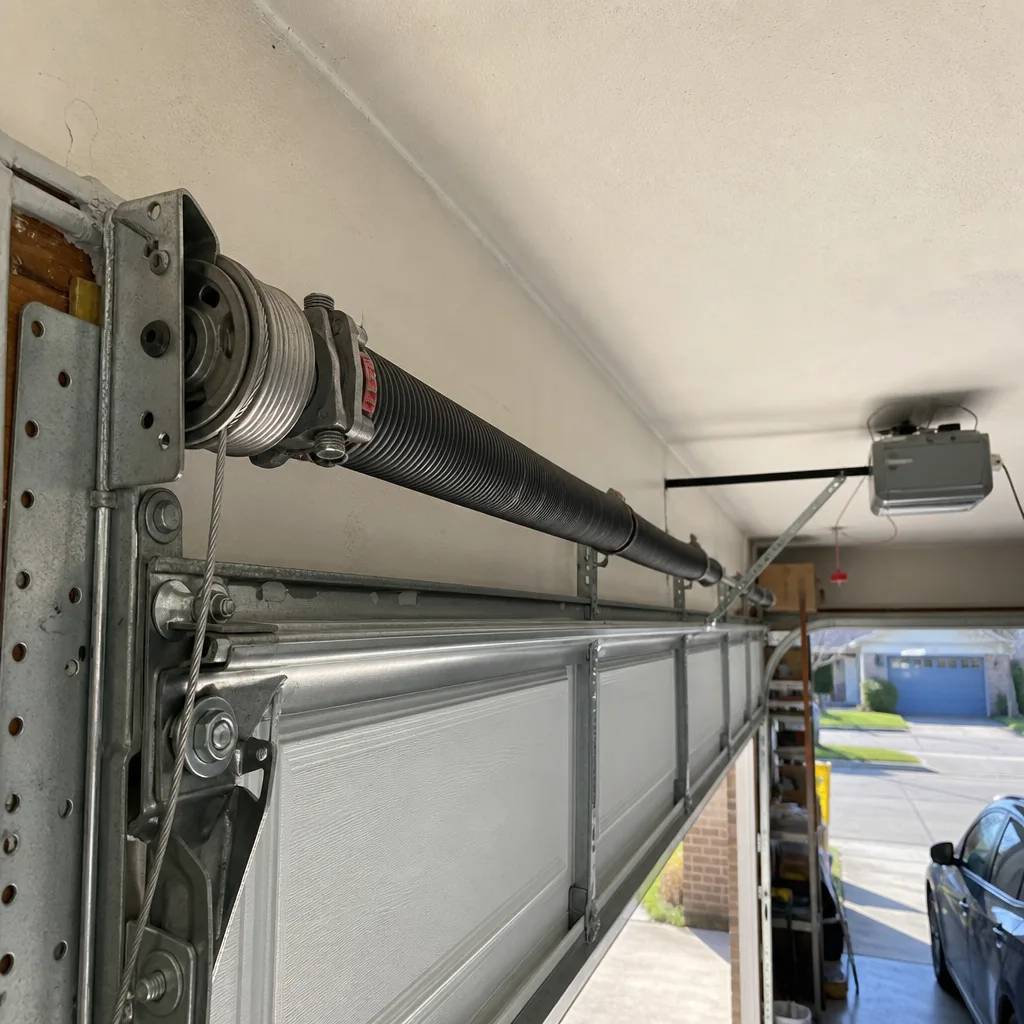 After
After Before
 After
After Before
 After
AfterSeasonal Garage Door Care for Baytown: Year-Round Homeowner’s Guide
The freeze that knocked out the most garage doors across the Houston area in February 2021 would have been survivable for most of them with one twenty-minute preparation step done the prior November. In Baytown, we don’t get four distinct seasons. We get a long, wet-heat stretch that runs from March through October, and a short mild winter punctuated by sudden, hard freezes that catch homeowners off guard. A garage door care schedule built around those two real windows, plus the hurricane season that sits inside them, is far more useful than anything copied from a Minnesota home magazine. This guide lays out what to do, when to do it, and why the timing matters for your specific door, your specific neighborhood, and the weather patterns that actually reach your driveway. For The Complete Guide to Garage Door in Baytown and more in-depth coverage, see our other resources.
Quick Answer
Baytown garage doors need focused attention twice yearly: a pre-hurricane inspection in late April and a pre-freeze weatherization in early November. Between those two windows, monthly visual checks of springs, cables, rollers, and weather seals will catch most problems before they strand you. The 2021 freeze proved that a single neglected adjustment can turn a cold morning into an expensive emergency call.
Table of Contents
- Baytown’s Two-Season Reality: Why the Standard Calendar Fails Here
- April-May: Hurricane-Season Garage Door Prep
- June-October: Surviving the Long Hot Stretch
- November: The Critical Pre-Freeze Window
- December-February: Winter Care and Cold-Weather Failures
- The Monthly 10-Minute Checklist
- Common Mistakes to Avoid
- When to Call a Professional
- Frequently Asked Questions
Baytown’s Two-Season Reality: Why the Standard Calendar Fails Here
Most seasonal maintenance guides divide the year into four neat quarters. That works fine in Ohio. It fails in Baytown because our climate doesn’t cooperate with the metaphor.
From mid-March through October, we live inside a Gulf humidity bubble. Average highs sit in the 80s and 90s, overnight lows rarely drop below 70, and the heat index routinely pushes past 100. Rain comes in bursts, often enough to keep relative humidity above 75 percent for weeks straight. Then, sometime in November, a front arrives and temperatures drop into the 50s. January might see a few nights in the 30s. And every few years, a polar intrusion drops us into the teens for 48 hours, as it did in February 2021 when temperatures hit 13 degrees in parts of Harris County.
This pattern creates distinct stresses on garage door systems. The long hot season degrades rubber seals, warps wood door sections, and cooks lubricants into sticky residue. The brief cold snaps, when they come, contract metal components and spike spring failure rates because cold steel is more brittle and the door’s effective weight increases as lubricants thicken.
We’ve been repairing garage doors in Baytown since 2016, and the call pattern tells the story clearly. Emergency spring replacements spike in January and February, not because springs wear out in winter, but because the cold reveals fatigue that accumulated during the previous ten months. Hurricane-related damage calls cluster in June through September, but the preventable failures, the ones that started with a loose bracket or cracked seal, almost always trace back to an inspection that never happened in April or May.
The two-season approach is simple. Late spring, you prepare for wind load and water intrusion. Early fall, you prepare for metal contraction and lubricant failure. Everything else is maintenance that fits between those two anchors.
April-May: Hurricane-Season Garage Door Prep
Hurricane season officially starts June 1. In Baytown, that means something specific. We’re inside Harris County’s coastal wind zone, and a Category 2 or higher storm can produce sustained winds that test every component of a garage door system. The garage door is often the largest opening in a home’s envelope. If it fails, internal pressure builds fast, and the roof becomes vulnerable.
The standard advice says to “inspect your door before hurricane season.” That’s correct as far as it goes. Most guides stop at a visual check of tracks and a test of the auto-reverse. We go further, because we’ve seen what survives and what doesn’t.
Step 1: Test Auto-Reverse Under Load, Not Just with a Broom Handle
Federal law requires garage door openers manufactured after 1993 to reverse when they contact an obstruction. The standard homeowner test places a 2×4 or broom handle under the door and checks whether it reverses. That test verifies the sensor exists. It does not verify that the door will reverse when wind pressure is already pressing against the panels from the outside.
Here’s the test we recommend: disengage the opener and lift the door manually to waist height. Release it. It should stay put or descend slowly. If it rockets down, the spring tension is wrong, and the opener is working harder than it should. Re-engage the opener and run a loaded reverse test. Place a 10-pound weight (a bag of potting soil works) centered on the floor where the door meets it. Close the door. The opener should detect the load and reverse within two seconds. If it strains, pauses, or fails to reverse, the force setting needs adjustment. In a wind event, a door with excessive close force can blow inward before the opener recognizes the obstruction.
Safety note: Do not attempt to adjust opener force settings yourself. These controls interact with the high-tension spring system, and incorrect adjustment can cause sudden uncontrolled door movement. This is a trained technician task.
Step 2: Inspect and Replace Weather Seals
The bottom seal and perimeter weatherstripping are your water intrusion defense. In Baytown’s summer humidity, rubber seals harden and crack faster than in drier climates. Run your hand along the bottom seal with the door closed. You should feel even pressure against the concrete. Gaps as small as a quarter-inch admit wind-driven rain that pools on the floor, rusts bottom fixtures, and rots wood door sections from the base up.
Check the seal’s material. Vinyl and rubber compounds rated for UV exposure last longer in our sun load. If your seal is original equipment and the door is more than eight years old, replace it before June. The part costs less than $30. Water damage to bottom fixtures, track hardware, and stored items costs far more.
Step 3: Verify Track and Bracket Integrity
Wind load transfers through the door panels into the track system, then into the jambs and header. Inspect every roller bracket, hinge, and track mounting bracket for cracks, corrosion, or looseness. Pay special attention to the top fixture brackets, which carry the lift cable load. In Baytown, the combination of salt air from Galveston Bay and industrial atmospheric exposure accelerates corrosion on lower-grade hardware.
Tighten any loose lag screws into solid wood. If the screw holes are stripped, fill with hardwood dowels and re-drive, or move to fresh wood. Do not rely on wall anchors in the header; they pull out under wind load.
Step 4: Lubricate with the Right Product
Use a silicone-based spray lubricant on rollers, hinges, and bearings. Avoid WD-40 for this application; it displaces water but evaporates, leaving metal unprotected. In Baytown’s humidity, unprotected steel surfaces rust within weeks. Apply sparingly. Excess lubricant attracts dust and grit that accelerates wear.
Step 5: Test the Manual Release
If power fails during a storm, you need to open the door manually. Test the red emergency release cord. It should disengage smoothly and re-engage when the door is returned to the closed position and the opener trolley travels to meet it. If the release is stiff or the re-engagement fails, the mechanism needs service before you need it in a blackout.
June-October: Surviving the Long Hot Stretch
This is the endurance season. Your garage door opens and closes in 95-degree heat, often multiple times daily, while humidity saturates the air inside the garage. The stresses are cumulative and invisible until they become urgent.
Humidity and Wood Door Sections
If you own a wood door, whether it’s a traditional raised-panel design or a modern carriage-house style, Baytown’s humidity is your primary enemy. Wood absorbs atmospheric moisture, swells across the grain, and stresses the paint or stain finish. Once the finish cracks, water penetrates, and the cycle accelerates. We’ve replaced wood door sections in Cedar Bayou and Mont Belvieu neighborhoods where the bottom panels had rotted completely through from the inside out, the exterior paint still looking presentable.
The single most effective protection is a penetrating oil finish reapplied every 18 to 24 months. Film-forming paints and varnishes look good initially but crack and peel when the wood beneath them moves. Penetrating oils, such as those formulated for marine applications, flex with the wood and shed water without forming a brittle skin. Apply in late April or early May, before the peak humidity arrives, so the oil has time to cure.
For factory-finished steel or fiberglass doors, humidity attacks the bottom seal and the seal between sections. Check these monthly. A failed inter-section seal allows humid air into the hollow cavity of a steel door, where condensation forms and rust begins from the inside.
Opener Thermal Overload
Garage door openers mounted in uninsulated garages face ambient temperatures that regularly exceed 110 degrees. The motor and control board are rated for operation up to about 120 degrees ambient, but sustained operation near that limit degrades capacitor life and triggers thermal shutdowns. If your opener stops responding in mid-afternoon and resumes in the evening, thermal overload is the likely cause.
Mitigation is straightforward. Ensure the opener’s ventilation slots are clear of dust and cobwebs. If the garage faces west and absorbs late-day sun, consider a reflective shield on the roof or improved ventilation. For aging openers, replacement with a modern unit featuring thermal protection and battery backup is worth considering before failure strands you. Garage door opener service in Baytown includes thermal performance assessment as part of our standard inspection.
Concrete Slab Movement
Baytown’s clay soils expand and contract with moisture content. During dry summer spells, garage slabs can settle unevenly, changing the door’s alignment relative to the opening. A door that sealed properly in April may develop a corner gap by August. Check the reveal, the gap between door and frame, at each corner monthly. Uneven gaps indicate slab movement or jamb settlement. Caught early, track realignment is a simple adjustment. Left unaddressed, the door binds, rollers wear unevenly, and the opener strains.
November: The Critical Pre-Freeze Window
This is the twenty-minute step that would have saved hundreds of Baytown homeowners from emergency calls in February 2021. Early November, before the first real cold front, is your window to prepare for the possibility of a hard freeze.
Why Cold Snaps Kill Springs
Garage door springs are calibrated to balance the door’s weight at normal operating temperatures, roughly 60 to 80 degrees. When temperatures drop below freezing, several things happen simultaneously. The steel contracts slightly, increasing the effective tension. The lubricant in the bearings and on the spring coils thickens, adding resistance. The door’s weather seals stiffen, increasing friction against the jambs. Most critically, cold steel has reduced ductility. A spring with a micro-crack or incipient fatigue, one that has cycled thousands of times through the hot season, may tolerate the load at 70 degrees and snap at 25.
The February 2021 freeze was extreme, but the pattern is consistent. We see a reliable spike in torsion spring failures during every hard cold snap, including the milder ones that drop us into the mid-20s for a single night.
The November Checklist
- Listen to the door. Run a complete open-close cycle with the opener disconnected. The door should move smoothly and quietly. Grinding, popping, or uneven movement indicates a problem that cold will worsen.
- Inspect springs for gaps and corrosion. Torsion springs should show tight, even coils with no visible separation. Extension springs should have intact safety cables running through them. Surface rust is a warning; deep pitting means replacement is near.
- Check cable condition. Lift cables fray from the inside out. Run a cloth along the cable; snags indicate broken strands beneath the surface.
- Lubricate all moving parts with low-temperature grease. Standard lubricants thicken below 40 degrees. Switch to a synthetic grease rated for sub-zero operation, or have a technician apply the correct product.
- Test the opener’s force settings. Cold increases the door’s effective weight. If the opener is already at its force limit in warm weather, it may fail to open the door in cold conditions, or worse, strain until it damages the drive gear.
- Verify weather seal contact. A tight seal at the bottom and sides reduces cold air infiltration that chills the opener motor and condenses moisture on metal surfaces.
This inspection takes twenty minutes. If you find nothing concerning, you’ve bought confidence. If you find worn springs, frayed cables, or an opener straining at its limits, you have time to schedule repair before the freeze arrives and every other homeowner in Baytown is calling simultaneously. See our Garage Door Cost Breakdown: The Baytown Homeowner’s Reference for 2026 to budget ahead.
Our Mainspring Garage Door Co. home page lists current seasonal offers, including our $89 Seasonal Tune-Up that covers all six steps with a written condition report.
December-February: Winter Care and Cold-Weather Failures
Most winters, Baytown sees only a handful of nights below freezing. But “most” is not “all,” and the exceptions are memorable. The 2021 freeze lasted four days. Pipes burst. Power failed. And garage doors, frozen to their seals or unable to lift against thickened lubricants and contracted springs, became one more crisis in a week of crises.
What to Do When a Freeze Is Forecast
When the National Weather Service issues a hard freeze warning for Chambers or Harris County, take these steps in the 48 hours before arrival:
- Run the door through several complete cycles. This distributes fresh lubricant and identifies any stiffness before the cold arrives.
- Clear the threshold of water. Any standing water at the bottom seal will freeze the door to the concrete. A frozen seal tears when forced.
- Disconnect the opener if ice is suspected. Forcing an opener to break a frozen seal can strip drive gears or damage the door. If the door is frozen shut, use a hair dryer or warm water to thaw the seal, or wait for natural warming. Never use an open flame.
- Leave the door closed during the freeze. Every opening admits cold air that chills the opener and condenses moisture on metal surfaces.
After the Freeze Passes
Run a complete inspection cycle once temperatures return to normal. Listen for new noises. Check for seal damage. Test the auto-reverse. The stress of cold operation often reveals problems that were marginal before.
If a spring failed during the cold snap, replace both springs if the door uses a two-spring system. They were installed together and have identical cycle life. Replacing one and waiting for the other to fail is false economy, especially when the second failure often happens at the least convenient moment.
The Monthly 10-Minute Checklist
Between the two major seasonal preps, a brief monthly check catches developing problems before they become emergencies. This is not a substitute for the seasonal deep inspections, but it extends their value.
- Visual scan of springs and cables. Look for coil gaps, rust, fraying, or broken strands. Do not touch; observation only.
- Listen to the operation. New grinding, squealing, or popping sounds indicate a change worth investigating.
- Check the door’s balance. Disconnect the opener and lift manually to waist height. It should stay or descend slowly. If it falls or feels heavy, spring tension is off.
- Inspect weather seals. Look for cracks, hardening, or gaps against the floor and jambs.
- Test auto-reverse and photo eyes. Block the beam with your foot; the door should reverse. Place an object in the path; the door should reverse on contact.
- Clear track debris. Wipe tracks with a dry cloth. Do not lubricate tracks; lubricant attracts grit that accelerates roller wear.
- Check opener lights and battery backup. Replace bulbs and test backup function if equipped.
Keep a simple log: date, what you checked, what you observed. This record helps technicians diagnose intermittent problems and demonstrates due diligence for insurance purposes if wind damage occurs.
Common Mistakes to Avoid
- Waiting for a sound before inspecting. By the time a garage door makes noise you can hear from inside the house, damage is already advanced. The monthly visual check catches problems before they become audible.
- Using the wrong lubricant on tracks. WD-40, 3-in-1 oil, and grease on tracks attract dust that forms an abrasive paste. Tracks stay dry; lubrication belongs on rollers, hinges, and bearings only.
- Ignoring the door during hurricane prep. Many Baytown homeowners board windows and secure patio furniture but assume the garage door will handle the wind. A failed garage door is the single largest opening in your home’s envelope and the most common point of catastrophic failure in residential structures during hurricanes.
- Replacing only one spring. Torsion springs on a two-spring system share load and have identical fatigue life. Replacing one guarantees a second service call, usually within months, and often at a worse time.
- Attempting DIY spring or cable repair. Garage door springs store lethal energy. The winding of a torsion spring requires specialized tools and training. Every year, homeowners are seriously injured or killed attempting this work. This is not hyperbole; it is a documented pattern.
- Assuming factory paint on steel doors is permanent protection. Even quality steel doors from Clopay, Amarr, or Wayne Dalton need periodic inspection of the finish. Scratches that expose bare steel begin rusting within days in Baytown’s humidity, and rust progresses from the surface inward.
When to Call a Professional
Some situations require trained intervention. Call a technician if you observe any of the following: a broken spring or cable; a door that has come off its tracks; an opener that hums but does not move the door; a door that reverses for no apparent reason; visible damage to panels, brackets, or rollers after a storm; or any condition that makes you uncertain about safe operation.
Garage door installation in Baytown and repair work involving high-tension components should be performed by technicians with proper tools and training. Mainspring Garage Door Co. offers free estimates in Baytown. Our trucks carry springs, cables, openers, and hardware for all major brands, including Clopay, Amarr, Wayne Dalton, and Craftsman, so most jobs are completed in a single visit. Call (936) 246-0813 to schedule. We answer live, 24/7, including nights, weekends, and holidays.
Frequently Asked Questions
Once yearly is sufficient for most residential doors in Baytown, timed for late April before hurricane season or early November before freeze risk. Doors with heavy daily use, wood construction, or age over 15 years benefit from twice-yearly service. Our $89 Seasonal Tune-Up includes a 24-point inspection with a written condition report.
Homeowners can safely lubricate hinges, rollers, and bearings with a silicone-based spray lubricant. Apply sparingly; excess attracts dust. Do not lubricate tracks, and do not attempt to lubricate or adjust the torsion spring system. For the pre-freeze switch to low-temperature synthetic grease, a technician should apply the correct product and verify compatibility with your door’s components. Call (936) 246-0813 if you’re unsure what’s currently on your door.
Sudden failure usually indicates a broken spring, failed opener component, or disrupted photo-eye alignment. In Baytown, temperature swings can cause thermal expansion that shifts photo-eye alignment overnight. Check for obstructions and LED indicator status on the opener first. If both eyes show solid lights and the door still won’t move, the problem is likely mechanical and requires professional diagnosis.
Test auto-reverse under load, inspect and replace weather seals, verify all bracket and track hardware integrity, lubricate moving parts with silicone spray, and confirm the manual release functions smoothly. For doors in exposed locations or homes in the 77520 and 77521 ZIP codes near the water, consider a wind-load-rated door system if your current door is more than 15 years old. Aftermarket bracing kits exist but must be specifically engineered for your door model to be effective.
A functioning, visually sound door rarely needs replacement solely for resale. A door with failed seals, visible rust, noisy operation, or outdated safety features becomes a buyer objection. The return on investment for garage door replacement consistently ranks among the highest of any home improvement project nationally, and in Baytown’s competitive market, curb appeal matters. We offer free estimates and a free second opinion on any written estimate you’ve received from another company.
The tune-up includes a 24-point safety and condition inspection, lubrication of all moving parts with season-appropriate products, spring tension assessment, cable and roller inspection, opener force and limit verification, photo-eye alignment check, weather seal evaluation, and a written condition report with recommended next steps. Senior and veteran homeowners receive an additional 5% discount. Call (936) 246-0813 to schedule.
The Bottom Line
Baytown’s garage doors face two real seasons: a long, humid summer that degrades seals and finishes, and a brief winter with freeze potential that turns marginal springs into sudden failures. A maintenance calendar built around those realities, late April for hurricane and heat prep, early November for cold weather readiness, with monthly checks between, will outlast any generic four-season schedule. The 2021 freeze proved that preparation has a date, and that date is before the cold arrives, not after the door is stuck. Keep a log, use the right products, know when to call, and your door will do what it should: open when you need it, close when you want it, and never become the reason your day goes wrong.
Written by Carl Dutton, Owner at Mainspring Garage Door Co., serving Baytown since 2016.